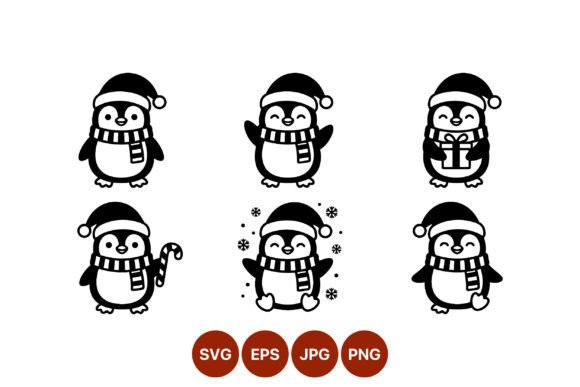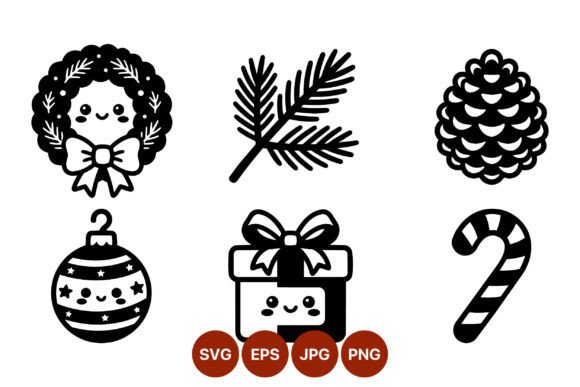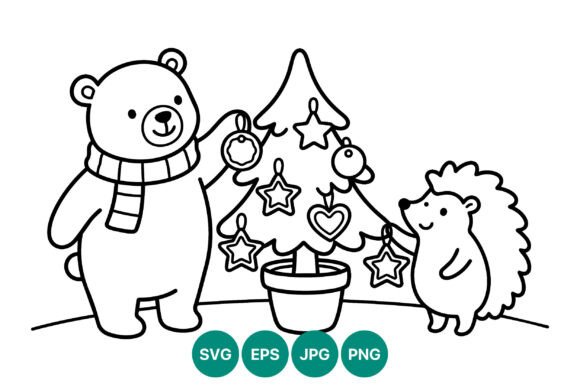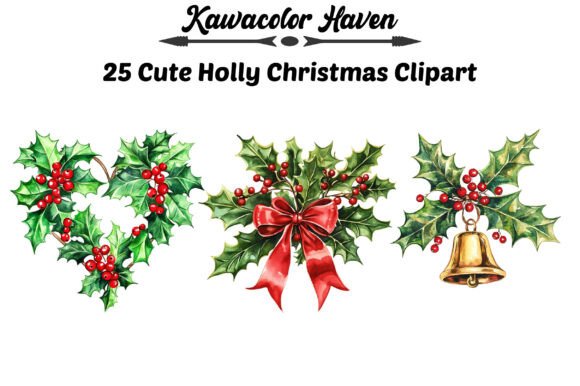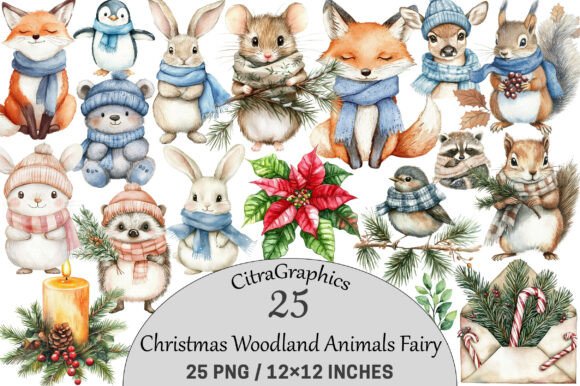
Christmas Woodland Cute Animals Fairy Illustrations
As a brand designer who has spent years curating visual identities for small businesses and digital creators, I approach every new graphic design asset with a critical eye. The goal is never just to find something "cute," but to discover a tool that communicates value, builds trust, and elevates the overall perception of a brand. Recently, while preparing a seasonal campaign for a boutique handmade soap line, I evaluated Christmas Woodland Cute Animals Fairy. This review explores how this specific illustration set performs in real-world marketing scenarios, from social media graphics to packaging design.
The First Impression: Mood and Emotional Resonance
Upon opening the file, the immediate impression of Christmas Woodland Cute Animals Fairy is one of whimsical warmth. In the crowded landscape of holiday marketing, where many brands lean into traditional reds and greens or stark minimalism, this asset offers a distinct narrative. It evokes a sense of wonder and nostalgia, tapping into the "magical" aspect of the season without feeling overly commercial. For a content marketer, this emotional tone is crucial. It suggests that the brand behind the visuals cares about storytelling and creating an experience, not just selling a product.
This mood makes the illustration particularly suitable for casual branding, lifestyle content, and handmade products. If you are a small business owner selling organic candles, children's books, or cozy knitwear, this creative design aligns perfectly with your audience's desire for comfort and authenticity. However, it is less likely to fit a high-end corporate law firm or a tech startup aiming for a sterile, futuristic look. The charm here is its primary strength, making it a powerful tool for building an emotional connection with consumers during the festive season.
Integrating Into Real Marketing Workflows
To test the versatility of Christmas Woodland Cute Animals Fairy, I placed it into several active marketing workflows. The first application was for a series of Instagram posts and Pinterest pins promoting a holiday gift guide. The illustration served as the hero graphic, immediately stopping the scroll. Because the characters are distinct and the woodland setting provides depth, the image held attention better than flat, generic clipart. When used as a background element for text overlays, the visual hierarchy remained clear, ensuring the call-to-action was not lost.
Next, I explored its use in packaging design. For the soap line mentioned earlier, these illustrations were scaled down to create custom stickers for product labels. The detail held up well even at smaller sizes, adding a premium feel to the unboxing experience. This is a critical factor for any digital product or physical good; if a design looks messy when printed on a sticker, it damages audience trust. Fortunately, the clean lines of the fairy and animals allowed for crisp reproduction. Furthermore, the asset worked seamlessly within Canva templates, allowing non-designer team members to quickly generate consistent email banners and promotional flyers.
Supporting Broader Brand Goals
- Stronger First Impression: The unique character of the woodland scene differentiates the brand from competitors using standard holiday stock photos.
- Consistent Branding: Using the same illustration across web design, social media graphics, and print materials creates a cohesive visual identity.
- Improved Engagement: Whimsical imagery tends to generate higher engagement rates on platforms like Facebook and Instagram, encouraging shares and saves.
- Memorable Campaign Visuals: A distinct visual style helps customers remember the brand long after the holiday season ends.
Strategic Applications for Maximum Impact
Where does Christmas Woodland Cute Animals Fairy shine brightest? It excels in hero graphics for landing pages, campaign headers, and branded templates. The rich details make it perfect for editorial layouts in newsletters or blog posts, where it can break up text and add visual interest. It is also an excellent choice for merchandise, such as tote bags, mugs, or t-shirts, where the playful nature of the design appeals to a wide demographic. Additionally, these illustrations work beautifully as decorative brand elements in media kits or lead magnets, giving away value while showcasing the brand's aesthetic.
For digital sellers and online coaches, this asset can transform a simple PDF guide or checklist into a delightful digital product. By incorporating the woodland theme into the cover and internal sections, the document feels more like a curated gift than a dry informational sheet. This attention to detail signals professionalism and care, which are essential for converting leads into paying customers.
Navigating Limitations and Design Pitfalls
While versatile, Christmas Woodland Cute Animals Fairy is not a universal solution. There are specific contexts where this asset should be used with caution. In formal corporate branding, the whimsical nature might undermine the seriousness required for financial or legal communications. Similarly, in dense information layouts or text-heavy ads, the intricate details of the woodland scene could compete with the main message, causing confusion rather than clarity.
Designers must also be mindful of mobile usage. While the illustration looks great on desktop, complex scenes can become cluttered on small screens. It is vital to preview the design on mobile devices to ensure the key elements remain visible. Additionally, placing these colorful illustrations against low-contrast backgrounds can reduce readability. Always test the combination to ensure the text remains legible and the visual hierarchy is maintained. For overly minimal brands, this detailed art style might feel out of place unless carefully balanced with ample white space.
Practical Designer Notes for Implementation
Before committing to a full campaign, I recommend a rigorous testing phase. First, test the asset against your specific brand color palette. Does the green of the forest clash with your primary brand blue? Adjustments may be needed to ensure harmony. Second, check the black and white usage, especially for newspapers or faxes, to see if the image loses its impact without color.
Place the illustration inside real campaign mockups to visualize the final result. Compare it against competitor visuals to ensure your brand stands out. Pay close attention to typography; this particular illustration pairs beautifully with handwritten fonts and script fonts, enhancing the magical vibe. However, it can also work with modern sans serif fonts if you want to balance the whimsy with a contemporary edge. Avoid pairing it with heavy display fonts that might overpower the delicate nature of the fairy and animals.
Finally, always confirm the commercial licensing before using the asset in paid campaigns or client work. Whether you are creating a design bundle for resale or a single advertisement, understanding the terms of use protects your business from legal issues. Ensure you have the rights to modify the PNG design or SVG design as needed for your specific project.
Final Verdict for Content Creators
In conclusion, Christmas Woodland Cute Animals Fairy is a robust graphic design asset that offers significant value for content creators, bloggers, and small business owners looking to inject personality into their holiday marketing. It supports professional branding by providing high-quality, emotionally resonant visuals that stand out in a saturated market. When used strategically—respecting its limitations and leveraging its strengths—it can drive better engagement, improve audience trust, and create a memorable brand experience. For anyone seeking to elevate their marketing visuals this season, this collection of illustrations is a worthy addition to your creative toolkit.